Our Work
Our Clinics
Harsha Clinic
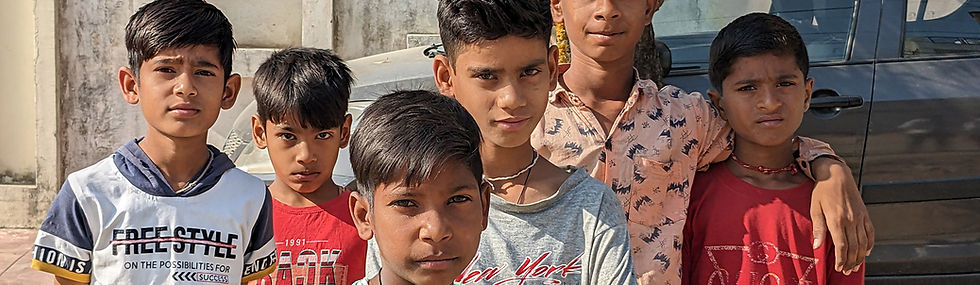
Our first clinic opened in 2012 in Jaipur’s bustling metal works district, the Gujjar Ki Thadi community is known for the diverse backgrounds of the people living there. Over the years, the neighborhood has taken on a more middle-class feel, with tidy shopfronts and the metro gliding overhead. But just a short 50-meter walk from the clinic, the scene changes: narrow lanes lead into informal settlements, home to many women and young girls whose lives remain far removed from the city’s recent growth.
Varsha Clinic
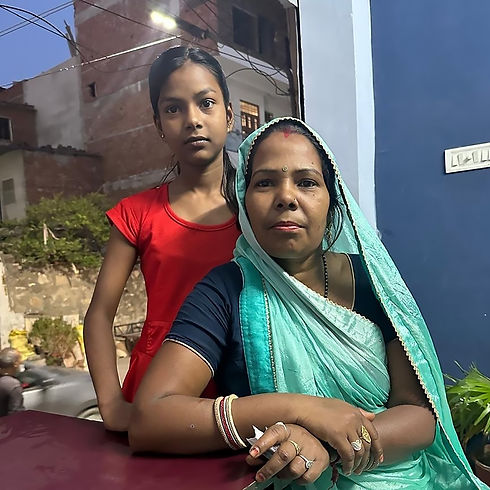
The Jagathpura Kachchi Basti informal settlement, home to migrants from Rajasthan and other states for more than 40 years, stands in sharp contrast to the neighboring developed community—an emblem of India’s widening wealth gap. Residents face chronic poverty and inadequate sanitation, conditions that worsen during the rainy season and contribute to frequent illness. Save Kids Trust began its work here in 2013 with health camps, later establishing a clinic to meet ongoing medical needs. In recent years, SKT has also formed adolescent groups—particularly for girls and young women—to build health awareness and provide essential life skills.
Mama Clinic
Jalana Doongri lies at the foothills of the Aravali mountains in Jaipur. After the devastating 1981 floods, many poor families displaced from the city settled here on higher ground. Today, most residents work in sanitation—sweeping roads, cleaning drains, and sewage work—while younger men find jobs in construction and cement factories. Many women work in clothing factories. Because of their occupations, the community is often looked down upon.
Crowded living conditions and poor sanitation leave families especially vulnerable to disease. Rates of malaria, asthma, TB, and other water- and air-borne illnesses here are nearly double those in other parts of Jaipur.


Banjara Clinic
Banjara Basti is the site of our fourth clinic. The Banjara people—once a nomadic community—settled here over 60 years ago, when this area lay far outside Jaipur’s city limits. Today, the city has expanded around them, and the settlement now sits just a mile from the end of the metro line. Though the community is considered “illegal” and receives no government services, it is home to four and five generations of families who have built their lives here and do not wish to leave.
For more than a decade, we have served this community with street clinics and health seminars. In August 2025, we began construction on a permanent clinic building, bringing lasting health care to a neighborhood that has long been underserved.